
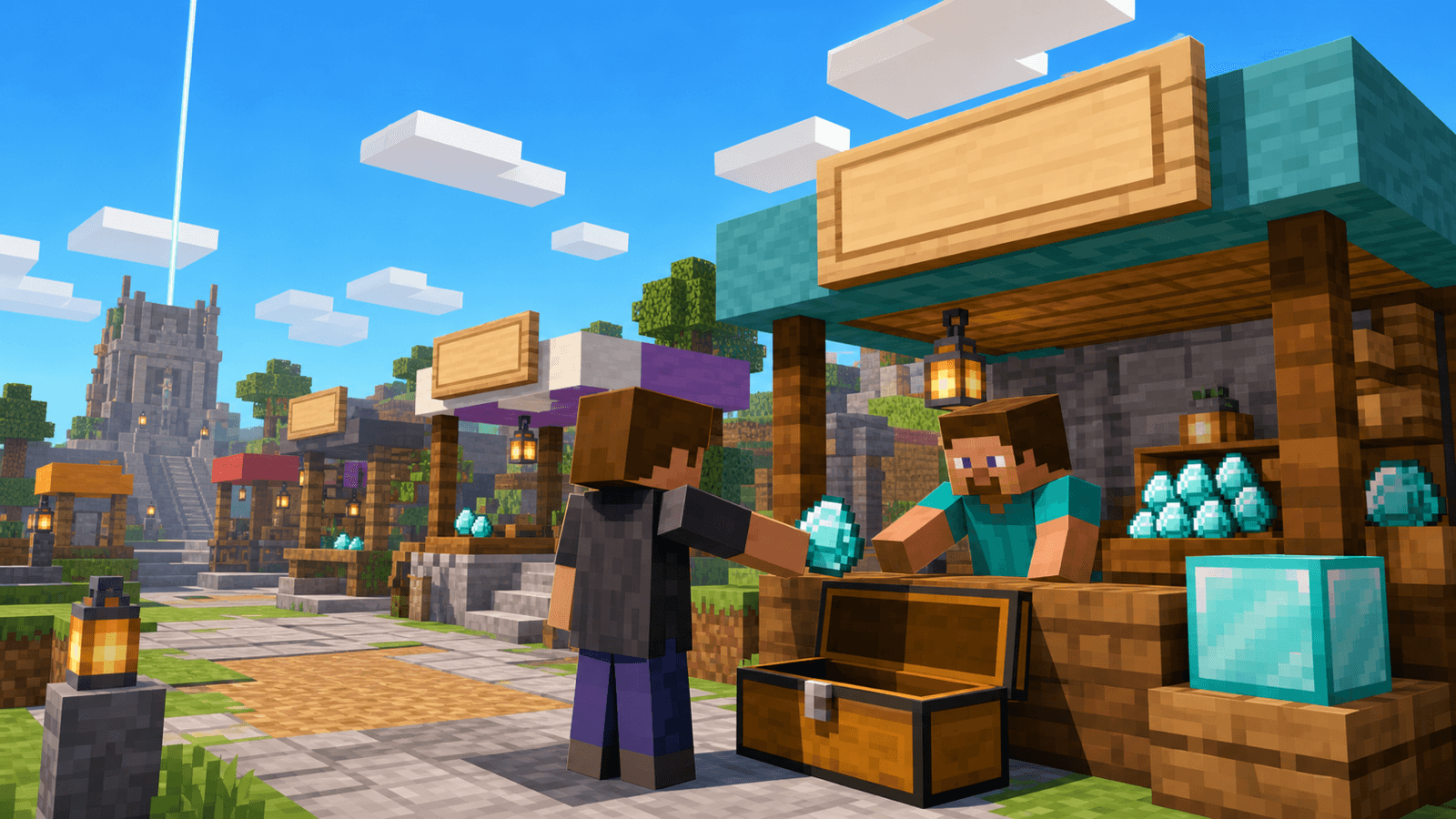
When Diamonds Became SMP Currency
Diamonds became SMP currency because they were scarce, portable, useful, and easy for vanilla players to trust, but diamond economies still need clear server rules.

Use the blog when you need more context than a server card can hold. These guides help players compare vanilla Minecraft servers, understand key updates, and pick a better survival world before joining.
Select the active topic again to clear the filter and return to the full blog feed.
Diamonds became SMP currency because they were scarce, portable, useful, and easy for vanilla players to trust, but diamond economies still need clear server rules.
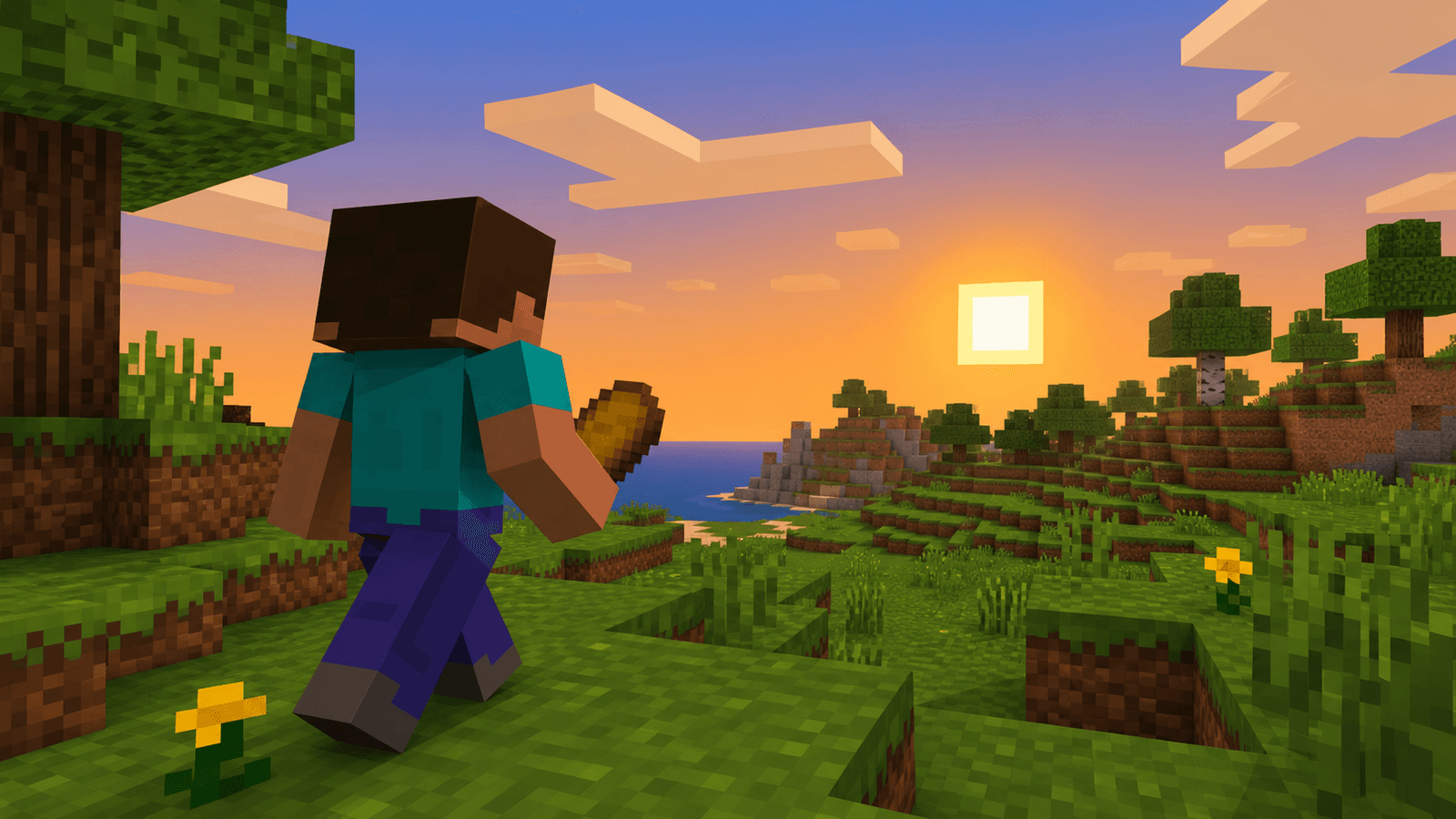
Before hunger and sprinting, early Minecraft survival made food, distance, and danger feel slower and more deliberate. That history still helps players read vanilla server listings.
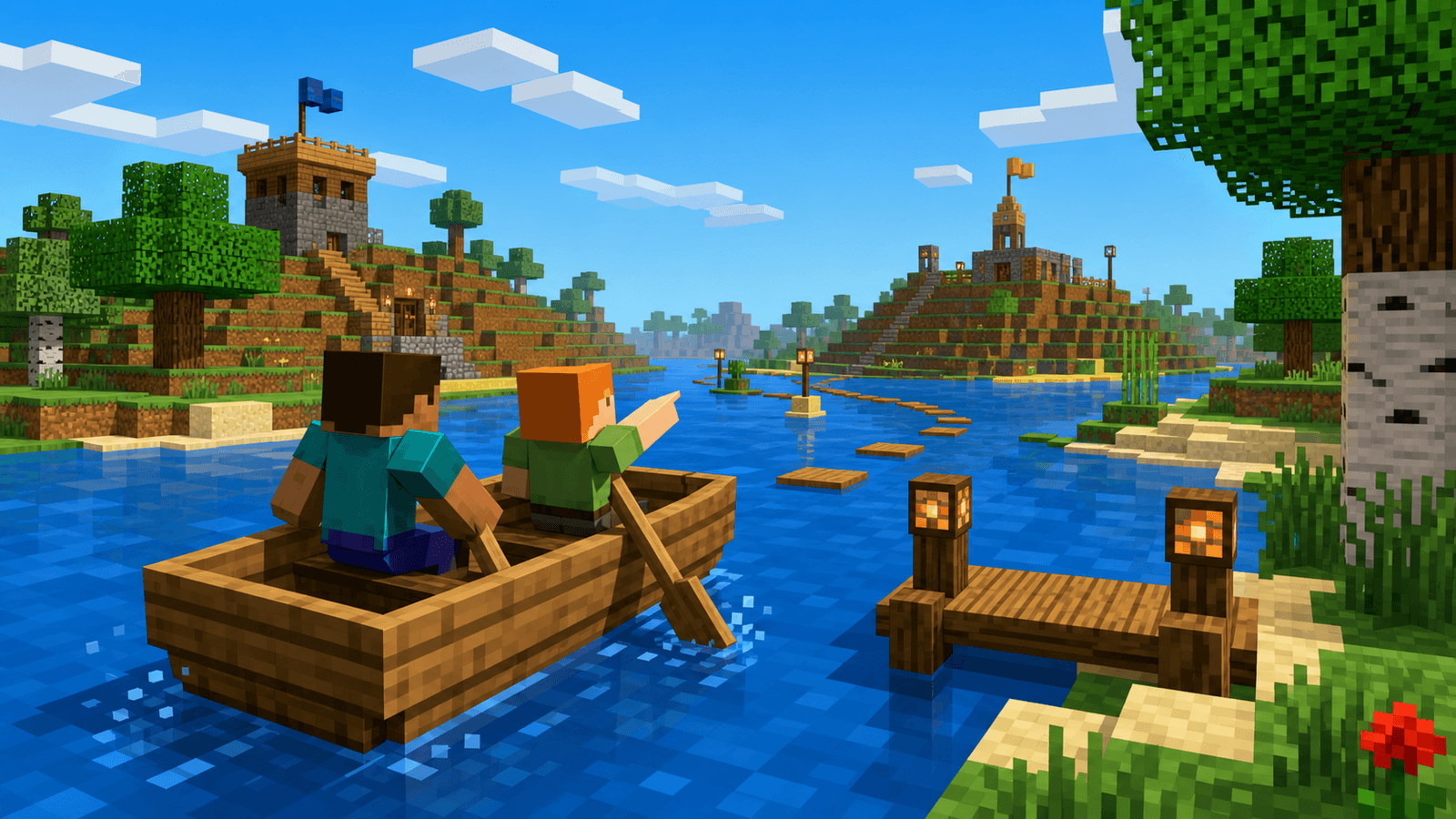
Old Minecraft boats were fast, fragile, and awkward enough to shape how early multiplayer groups planned rivers, coastlines, outposts, and server travel promises.
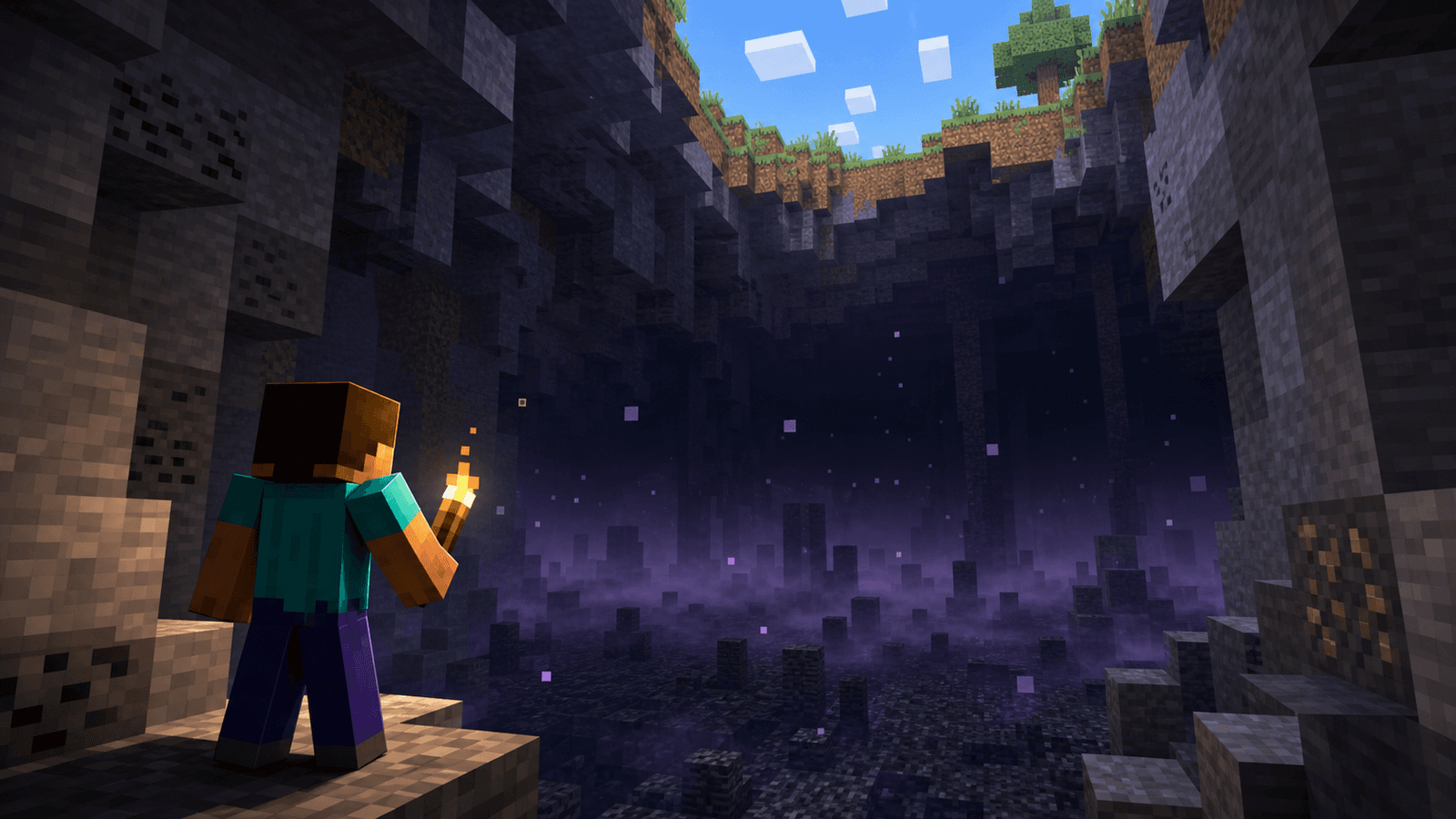
Void fog made Minecraft's deepest caves feel oppressive before it vanished during the Java 1.8 snapshot cycle. Its history helps players compare vanilla Minecraft servers that promise old-version atmosphere, clean visibility, or strict modern vanilla.
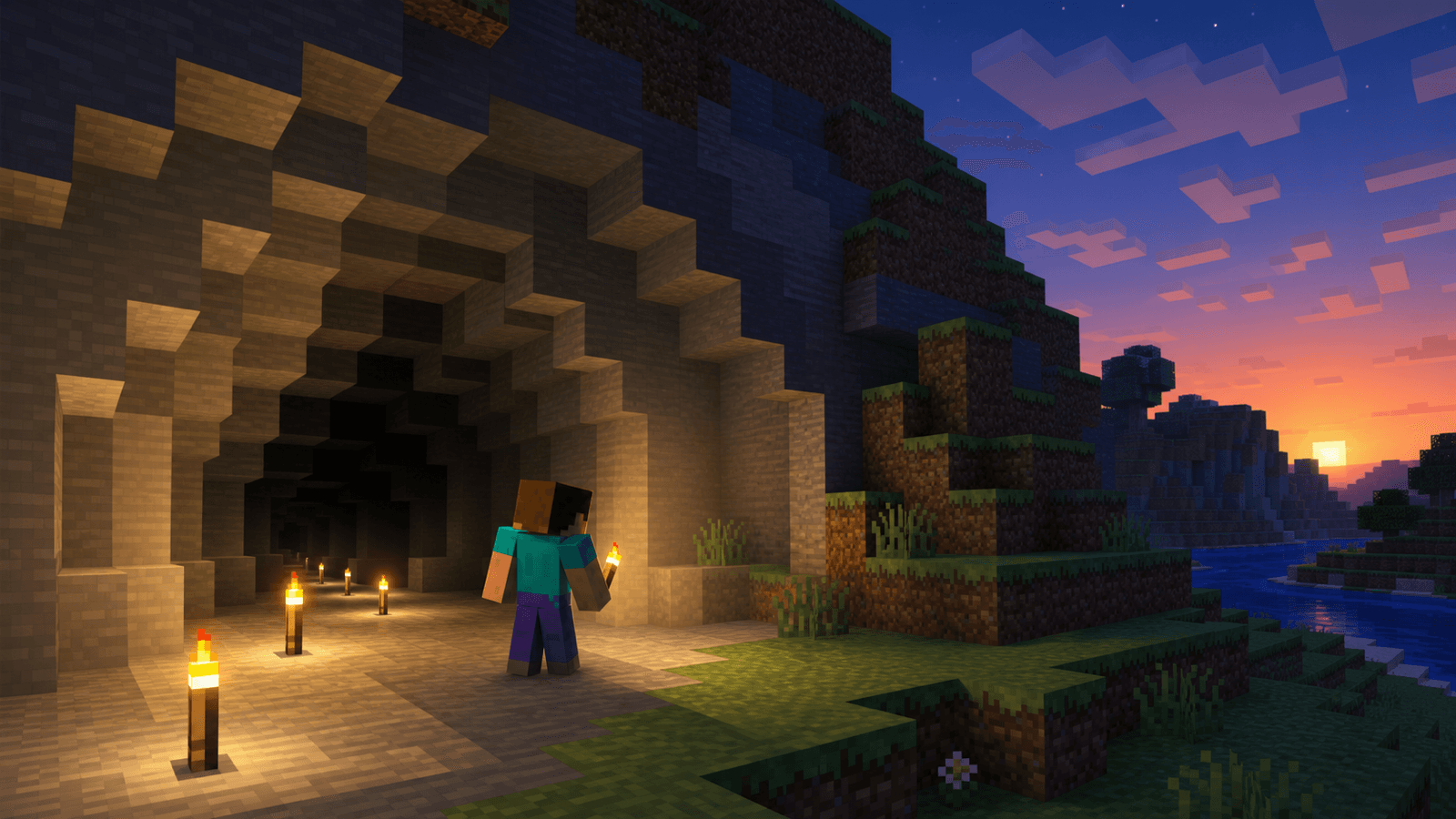
Minecraft's old lighting was sharper, darker, and less forgiving than modern rendering. That history helps players compare vanilla Minecraft servers that promise beta nostalgia, old-world atmosphere, or strict current vanilla play.
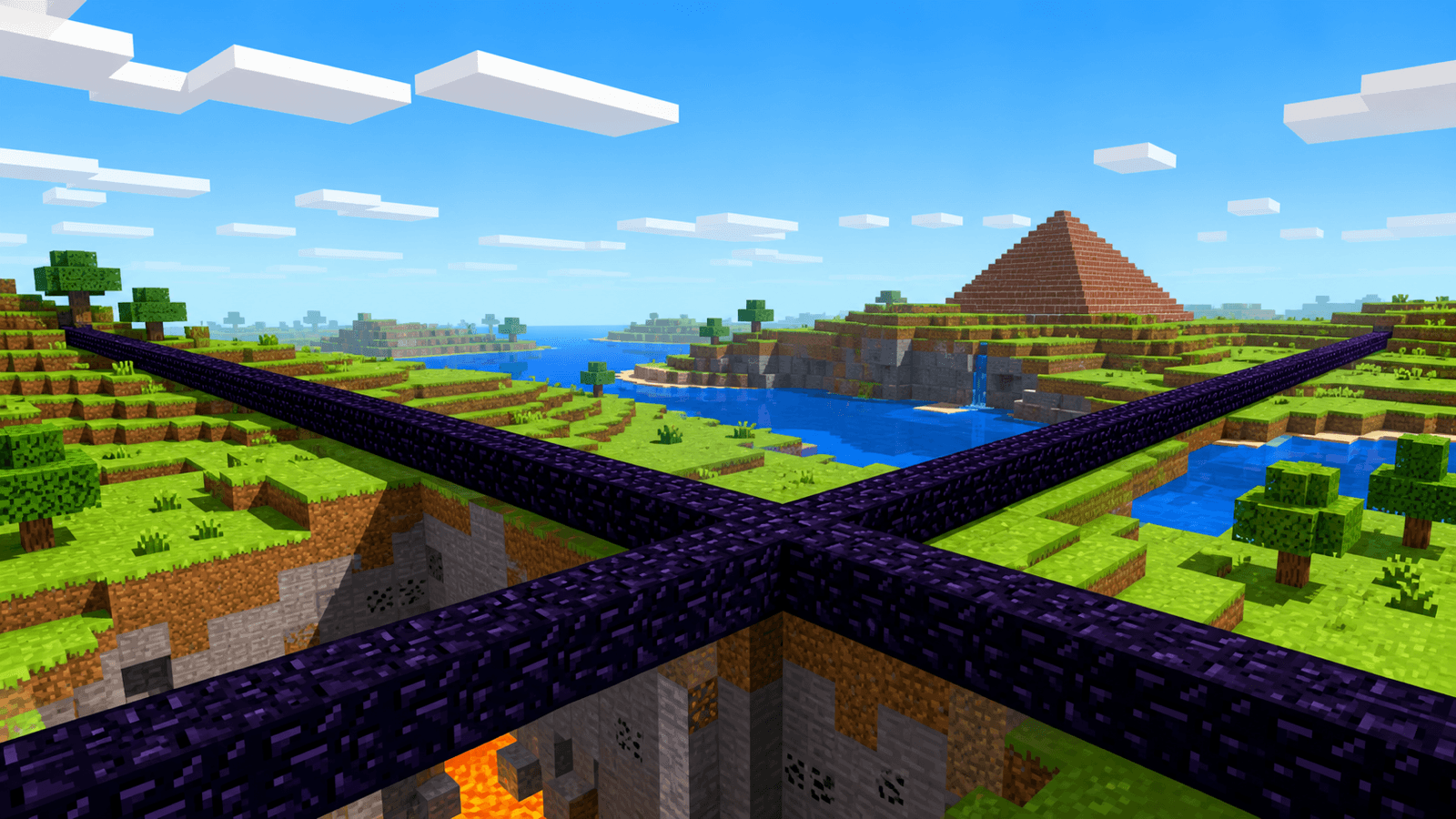
Obsidian walls were short-lived Infdev debug landmarks at world center. Their history helps players compare vanilla Minecraft servers that advertise old maps, preserved chunks, or custom nostalgia.
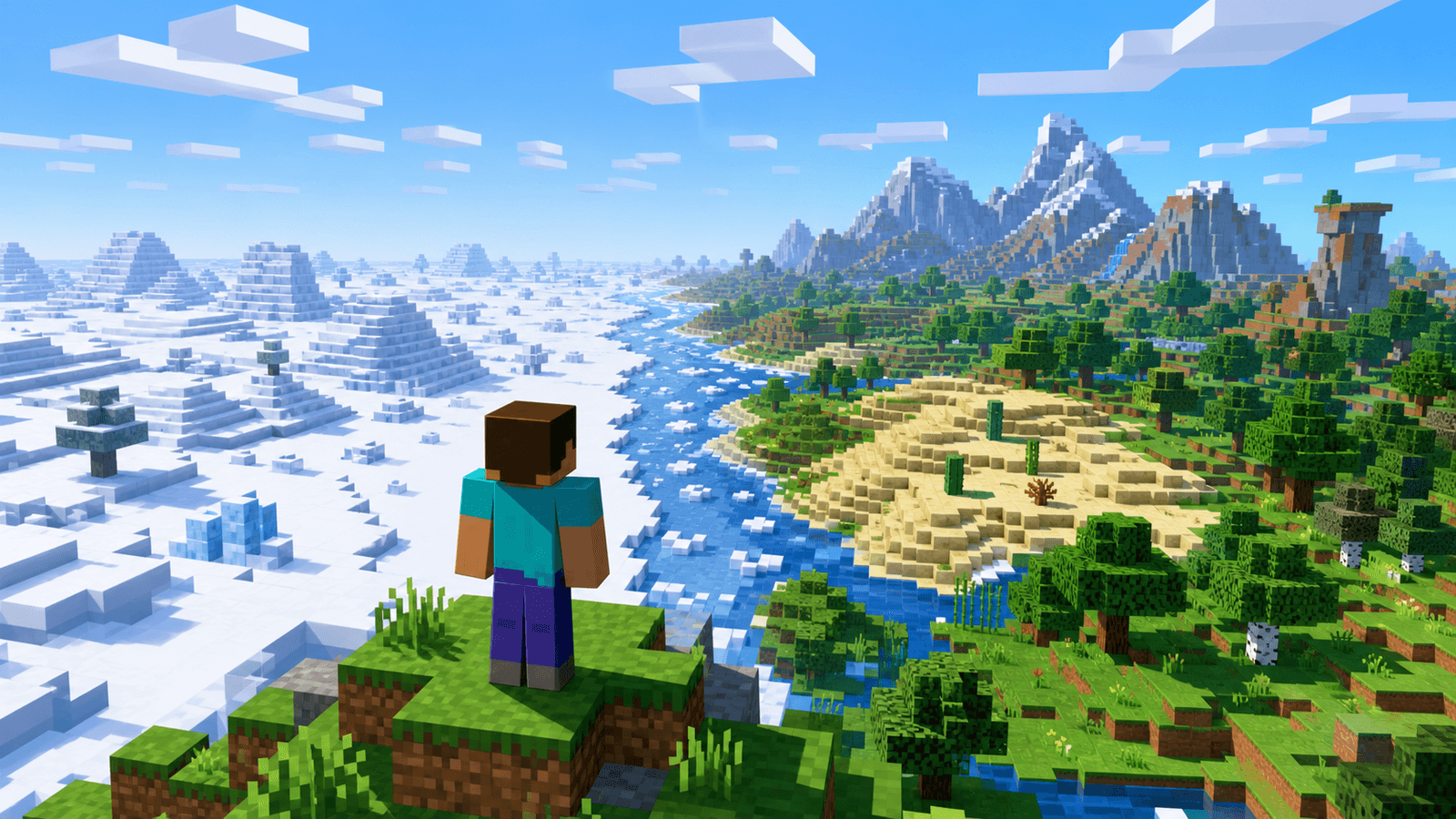
Winter Mode was Minecraft's first snow-world experiment before real biomes. Its replacement by biome-driven terrain still helps players compare vanilla Minecraft servers that advertise old worlds, custom seasons, or preserved generation.
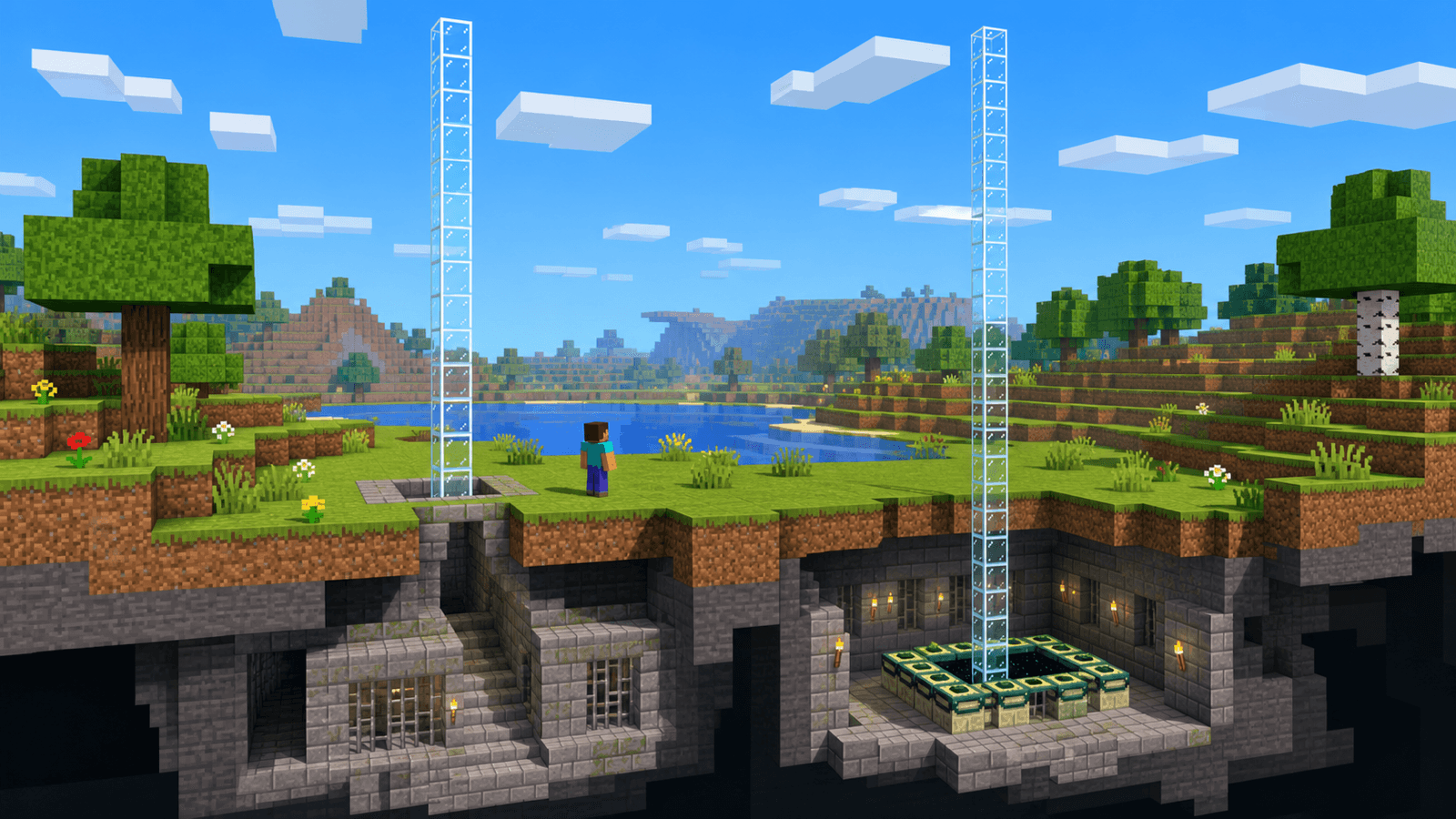
Old stronghold glass pillars were debug markers, not lost vanilla monuments. Their short life still helps players read vanilla Minecraft servers that trade on nostalgia, version history, or hidden-End progression.
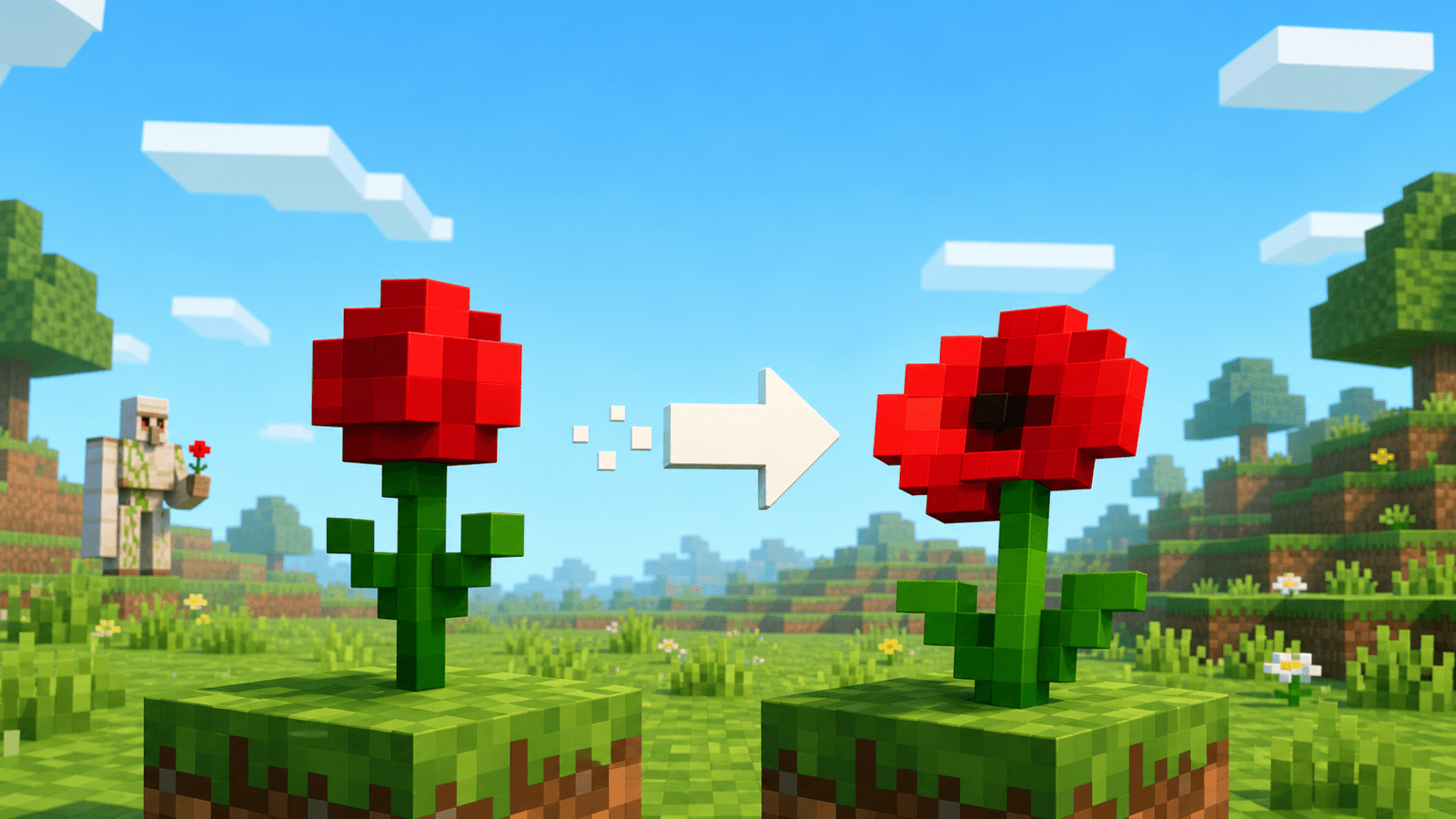
Minecraft's rose became the poppy during the 1.7.2 flower overhaul. The change still helps players read vanilla Minecraft servers that trade on nostalgia, resource packs, or old-version claims.
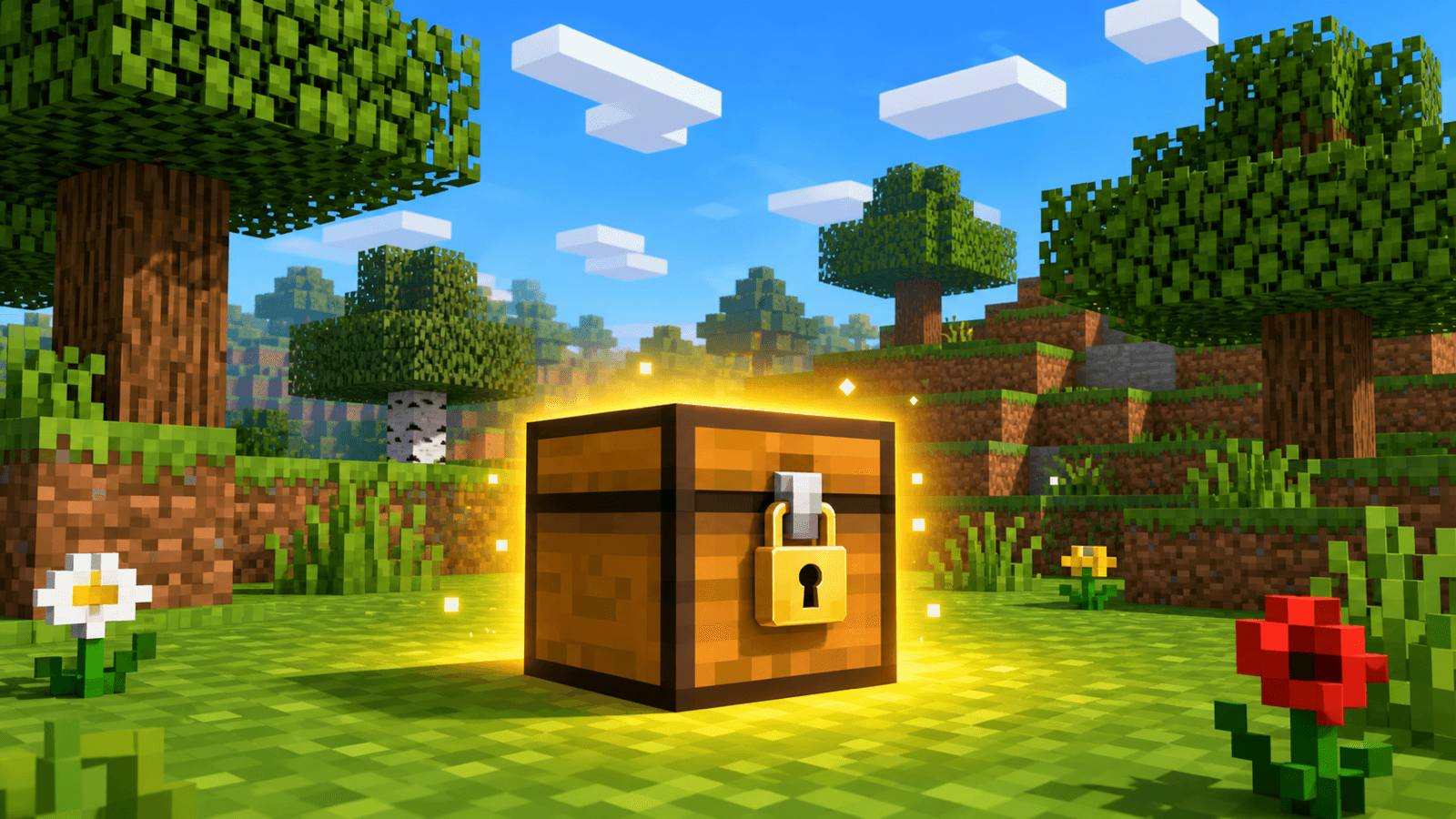
Locked chests were a real Beta 1.4 April Fools block, not a normal survival container. Their short life helps players compare vanilla Minecraft servers that use nostalgia, custom locks, or old-version claims.
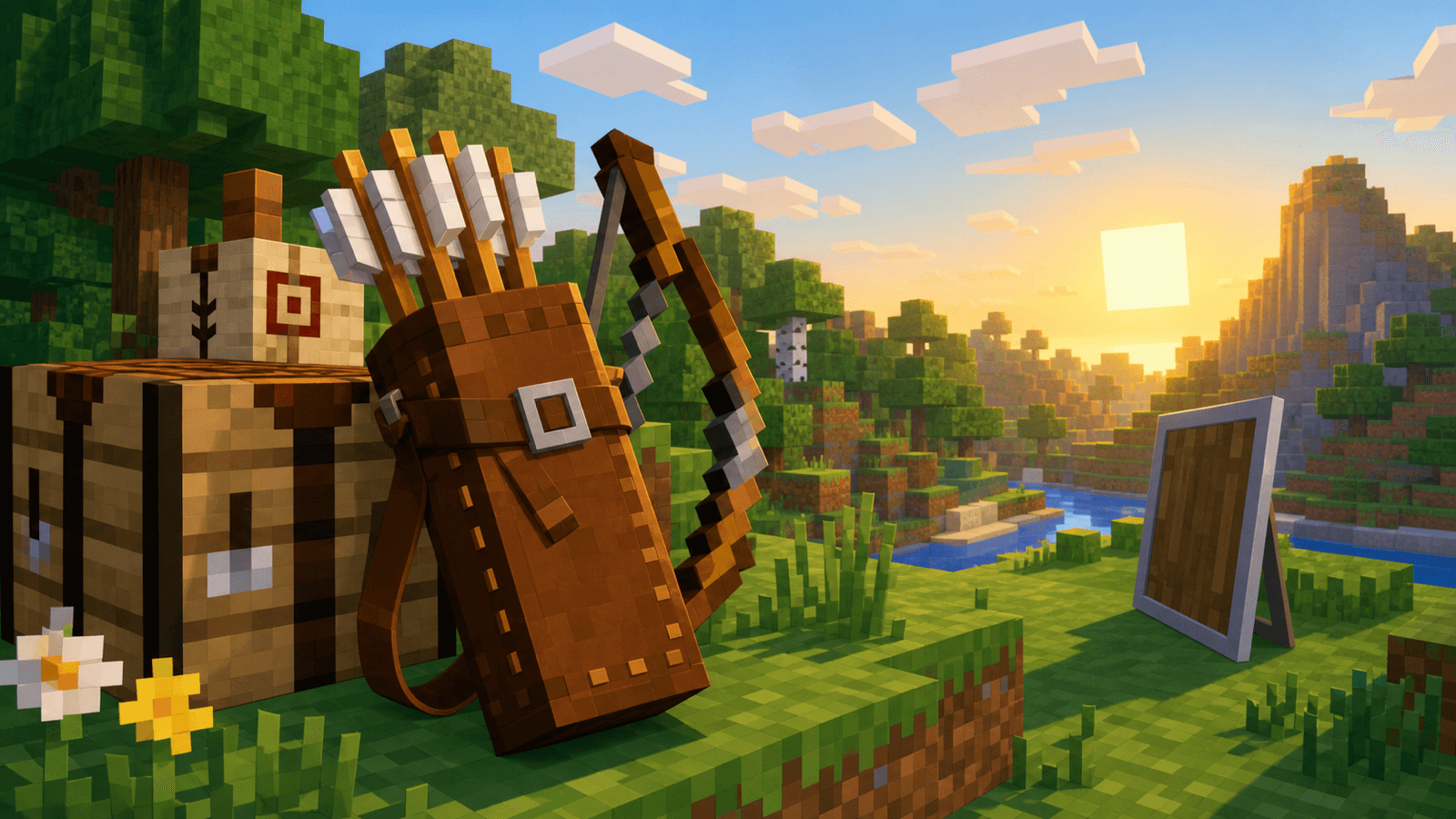
Quivers were a real removed Minecraft item and nearly returned during the 1.9 combat cycle. Their history helps vanilla Minecraft server players separate clean inventory promises from modded ranged-combat changes.
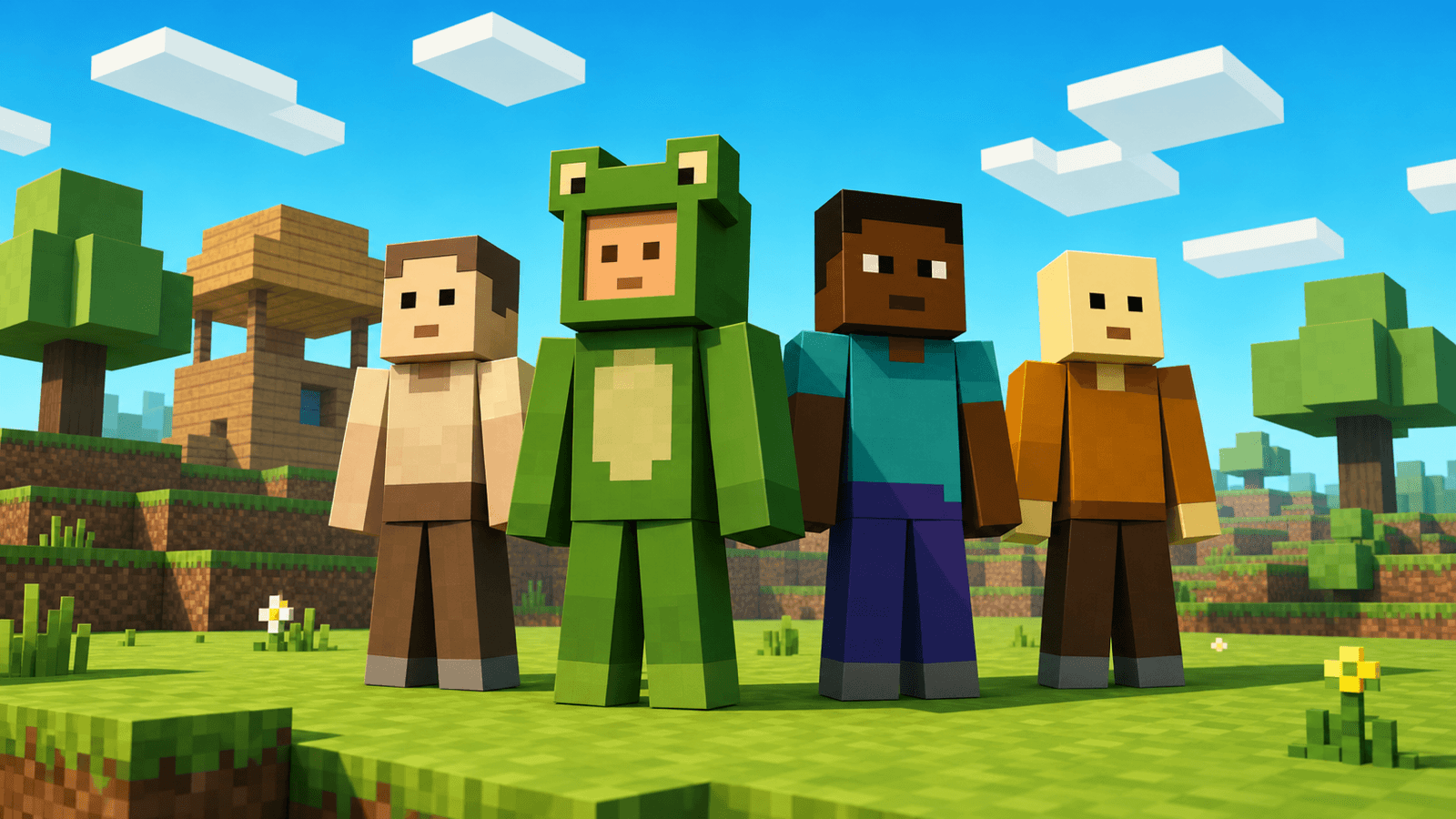
Rana, Black Steve, Steve, and Beast Boy were short-lived Indev test mobs, but their history still helps vanilla Minecraft server players read old-feature nostalgia, server labels, and promises about what counts as vanilla.
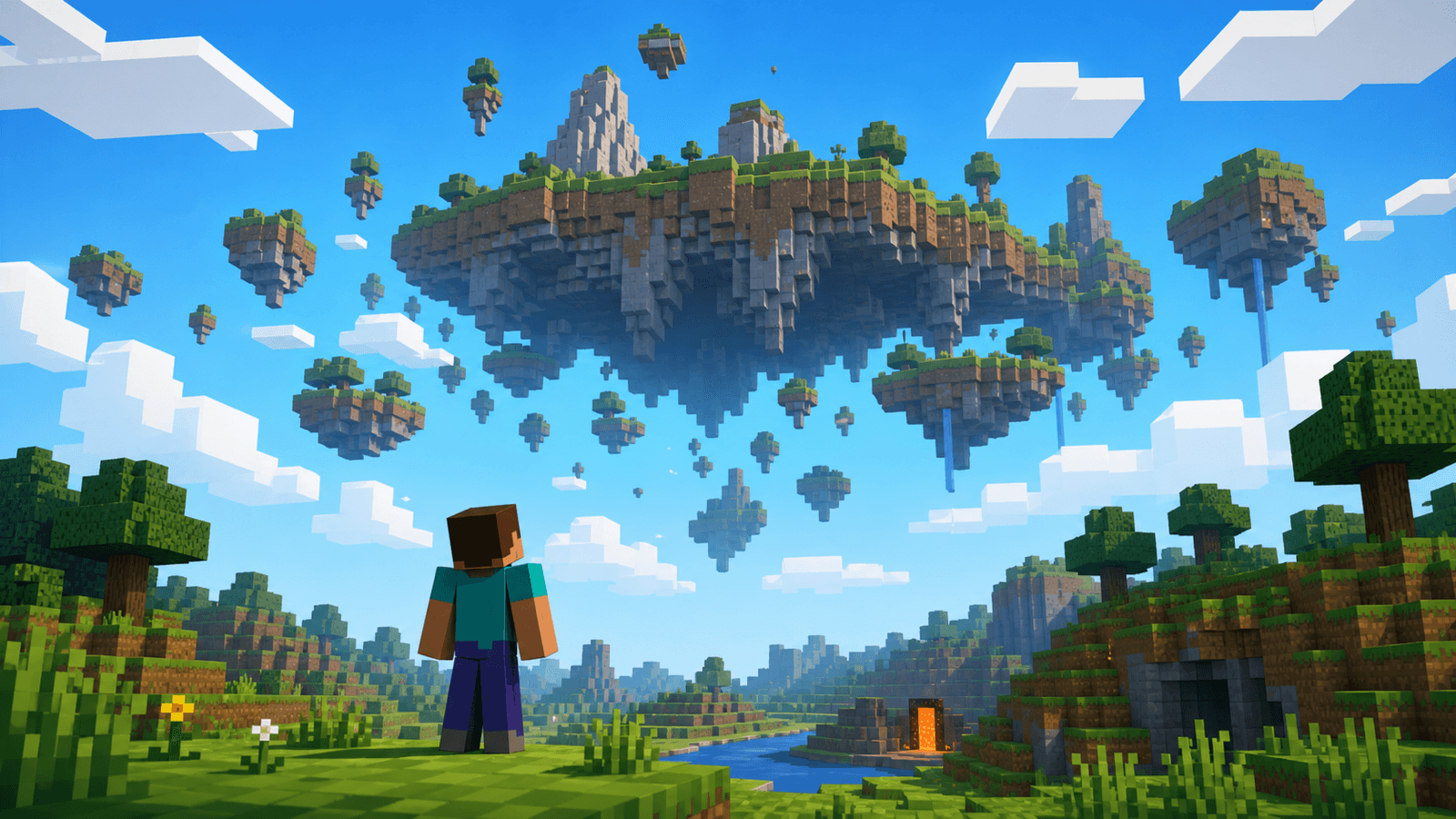
The Sky Dimension was an early planned opposite to the Nether, but its abandoned path still helps vanilla SMP players read server promises about dimensions, progression, and world identity.
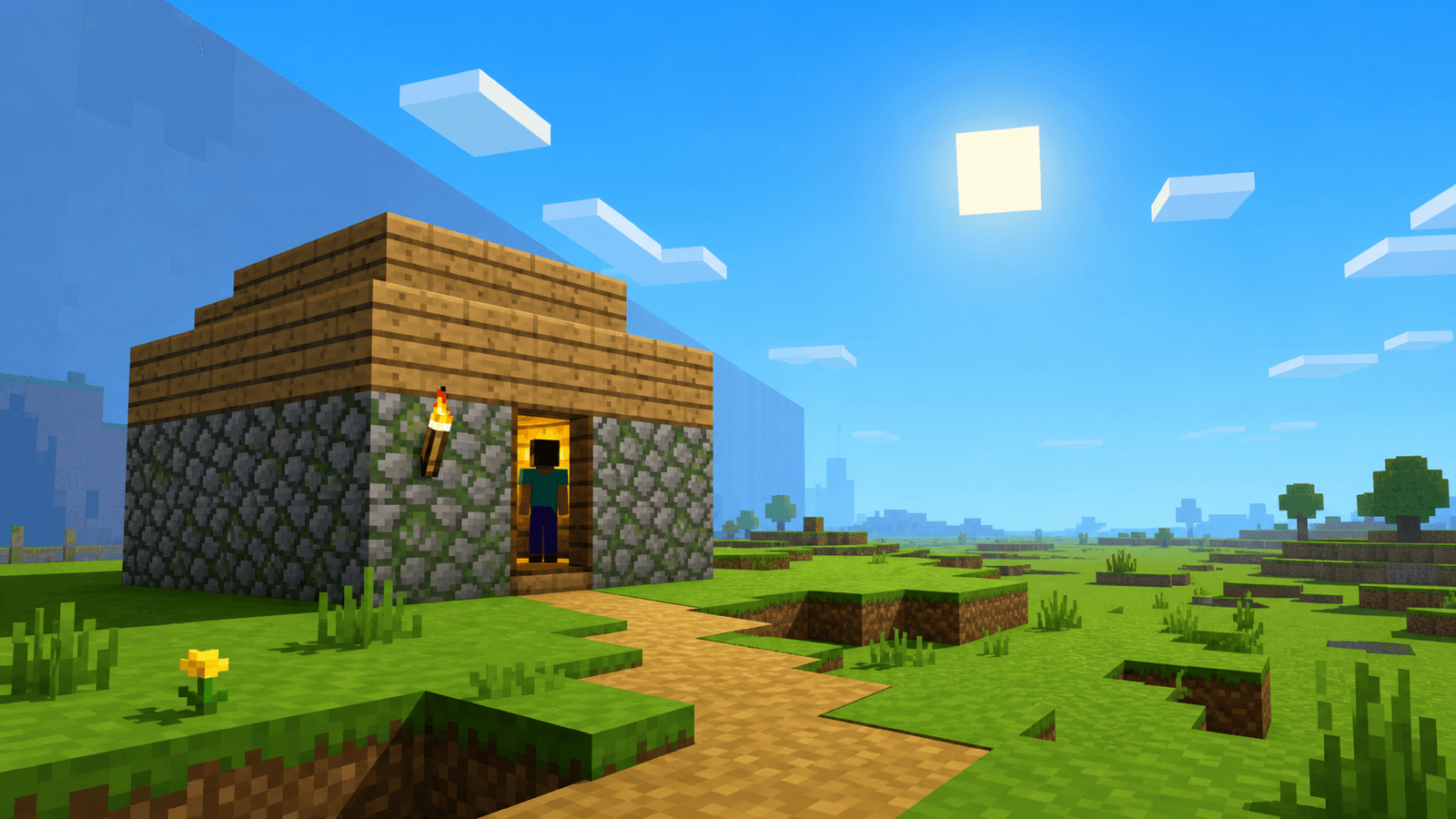
The Indev starting house was more than an old spawn hut. Its short life shows how Minecraft moved from guided testing toward player-made first nights, and that still helps vanilla SMP players judge spawn design today.
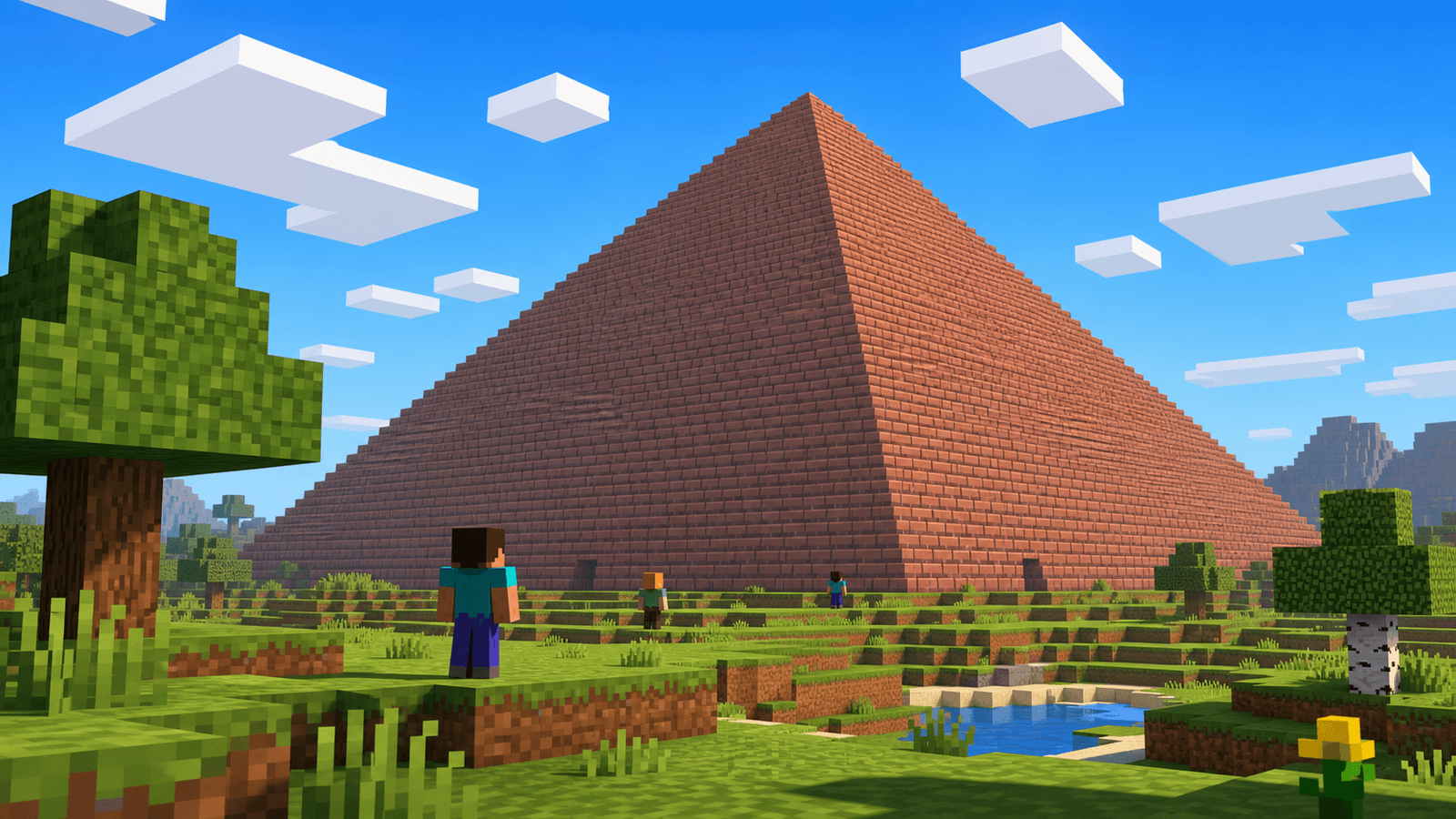
Brick pyramids were short-lived Infdev test structures. Here is why their history matters when Vanilla Minecraft Servers advertise old worlds, preserved terrain, or custom nostalgia.
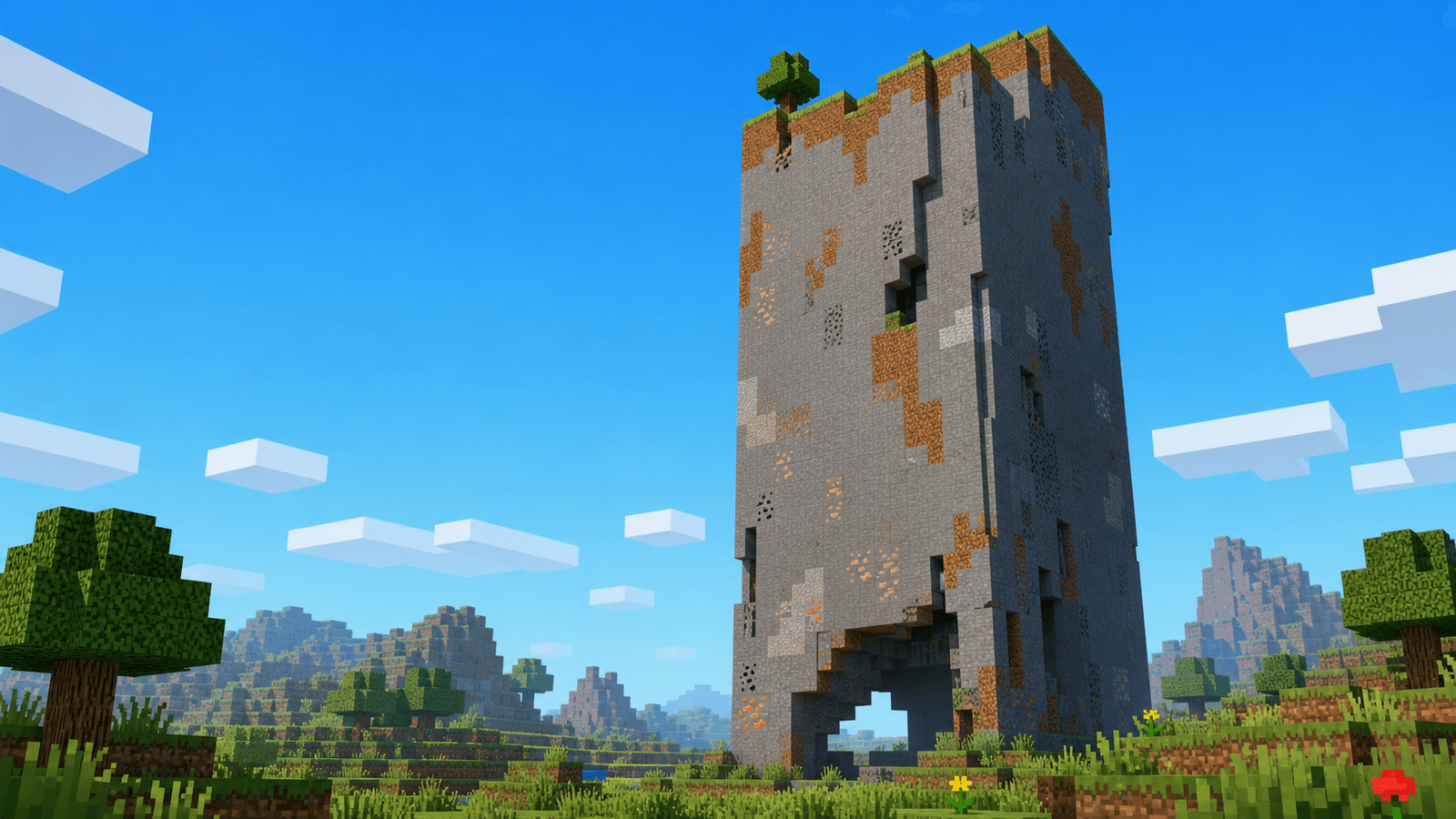
Minecraft monoliths were old Infdev and Alpha terrain glitches. Here is what their history tells Vanilla SMP players about version claims, preserved worlds, and server fit.
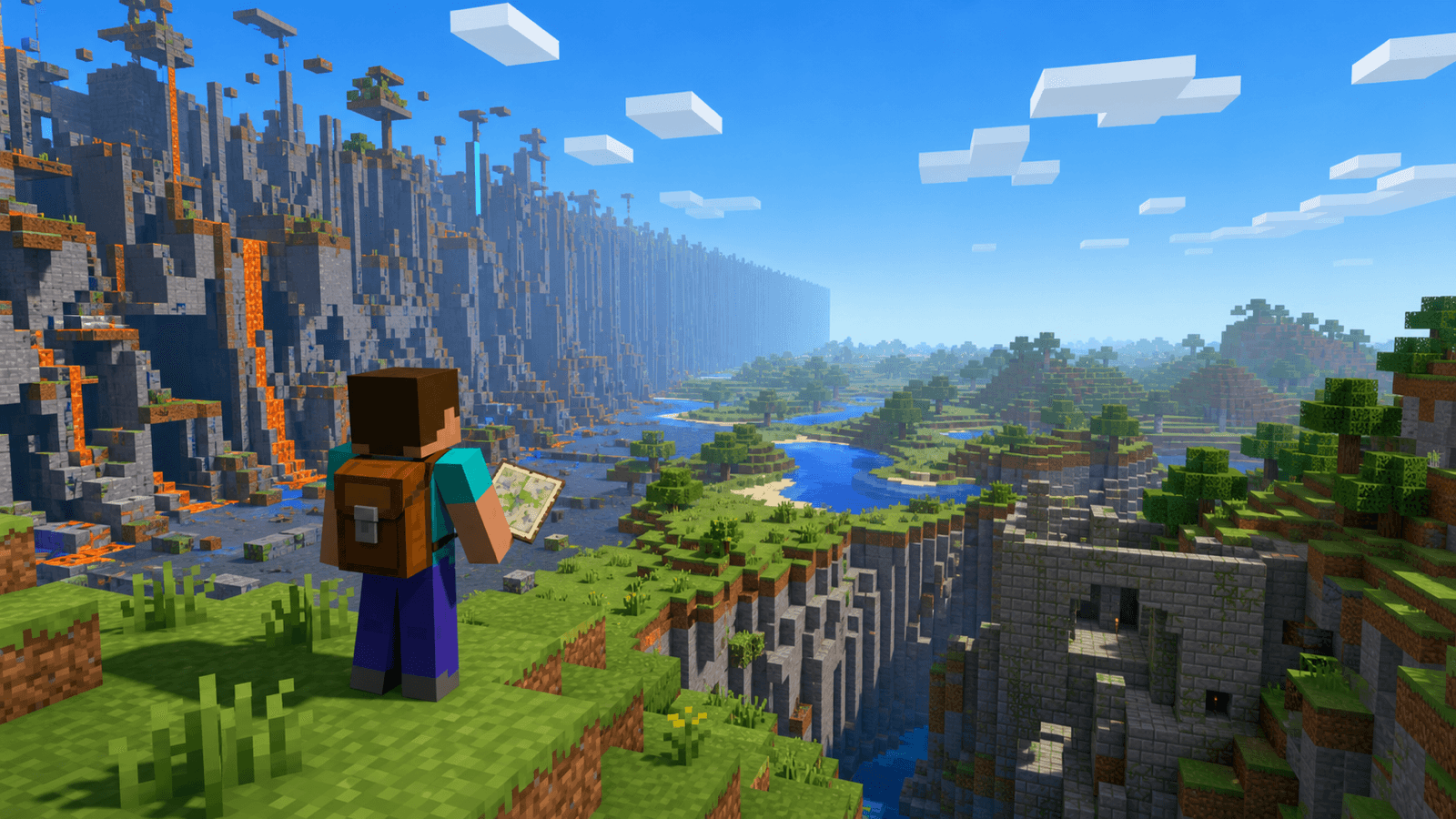
Beta 1.8 did not just patch a famous terrain bug. It turned old Far Lands generation into history, and that still shapes how vanilla SMP players should read preserved-world claims, beta-terrain regions, and long-distance travel culture.
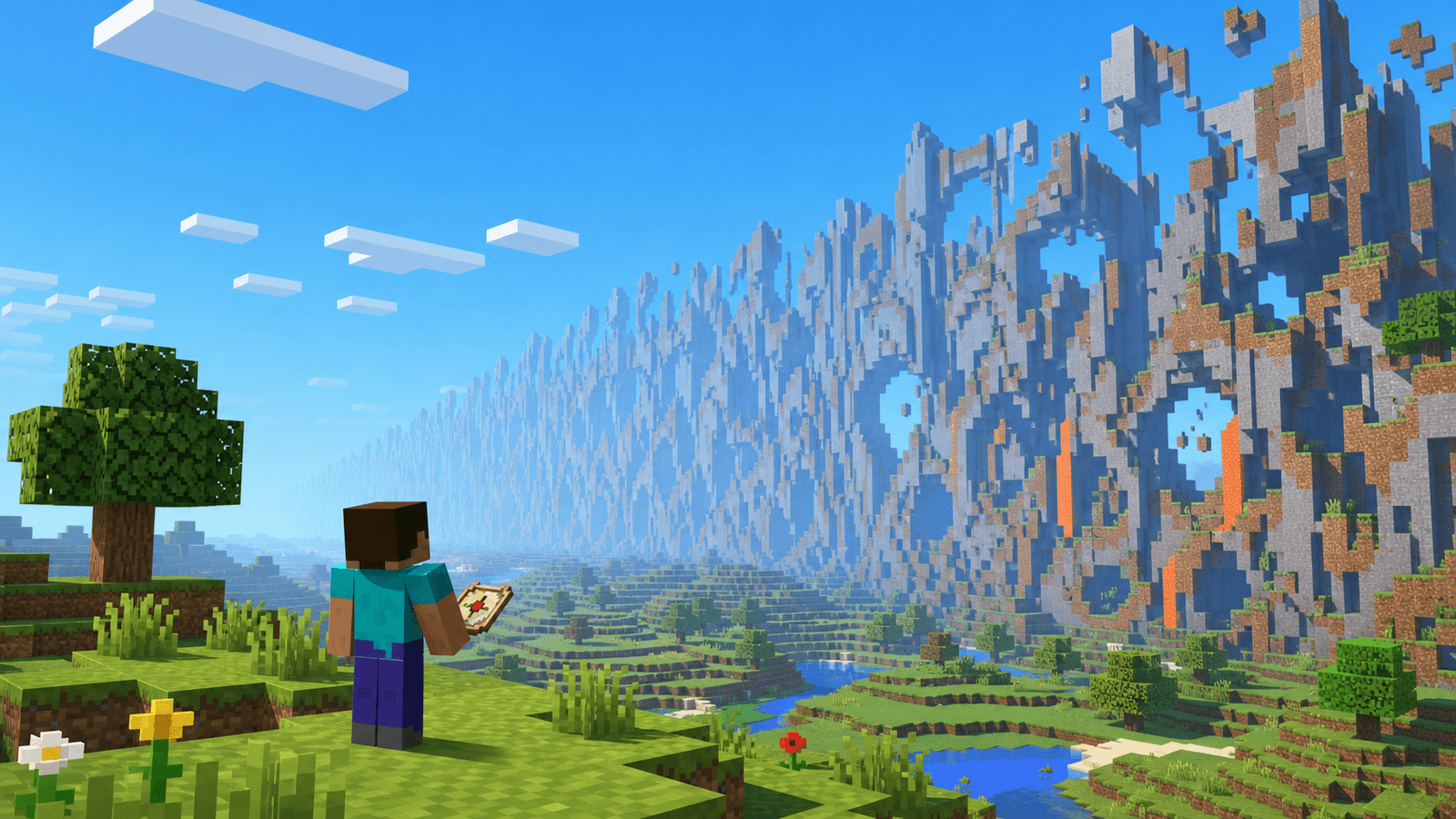
The Far Lands were a version-specific terrain bug, but the reason players still care about them is multiplayer culture: old-world preservation, extreme-distance travel, and how vanilla servers explain their map history.