

What brick pyramids actually were
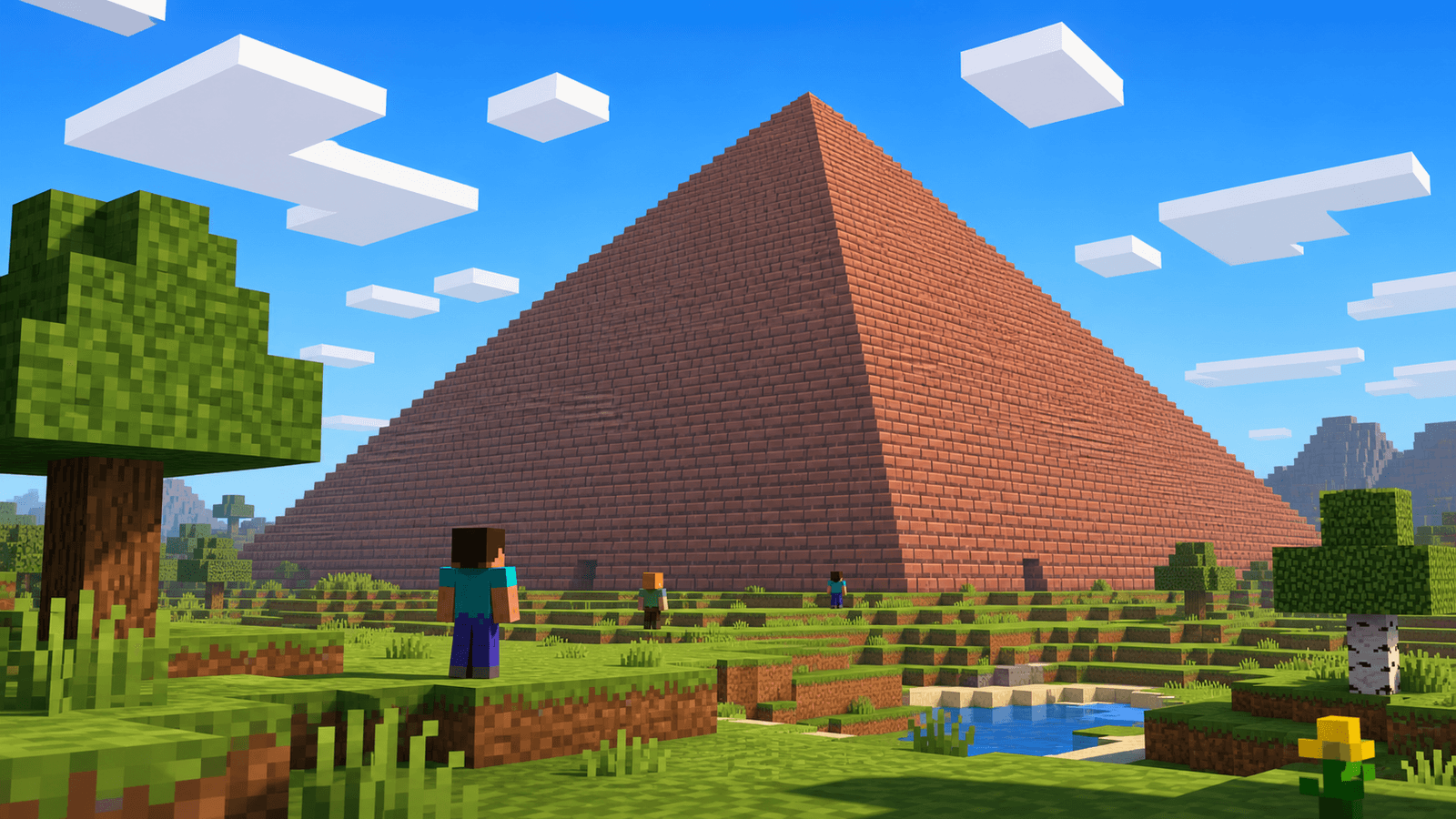
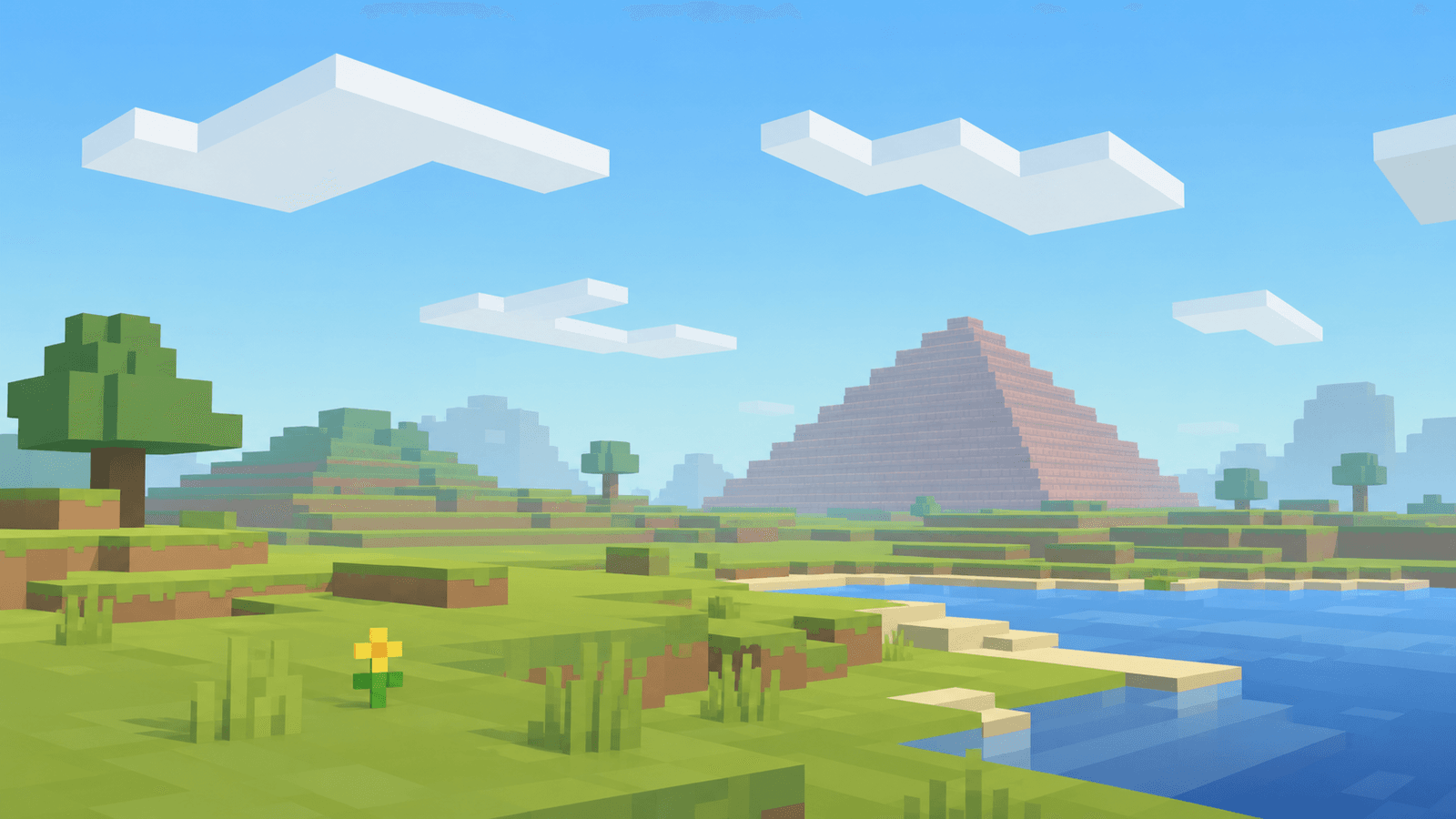
Brick pyramids were one of Minecraft's strangest early structure tests. Canonical Minecraft Wiki documentation describes them as tall experimental generated structures from Java Edition Infdev, made exclusively of bricks. They did not have chambers, traps, chests, or a normal exploration loop. They were solid masses of brick blocks placed into an unfinished version of Minecraft's new infinite-world experiment.
That makes them easy to misunderstand. A modern player hears "pyramid" and thinks of desert pyramids, archaeology, suspicious sand, or loot. Brick pyramids were closer to a development landmark than a polished adventure feature. They spawned on top of existing terrain, conformed to the ground below, and could be carved by caves in later Infdev builds. Their value now is not that they were deep content. Their value is that they show how experimental world generation was in early 2010.
This matters for brick pyramids vanilla minecraft servers research because old structures are often used as shorthand for authenticity. If a server listing says it has old terrain, a museum area, or a preserved Infdev landmark, the real question is practical: was that terrain generated in the right old version, imported into a current map, or rebuilt later by hand?
Why Infdev had them at all
Infdev followed Indev and moved Minecraft toward procedurally generated worlds that could extend far beyond the earlier fixed maps. In that context, brick pyramids look like a crude structure-generation test. The Minecraft Wiki history table records them being added in Infdev 20100227-1414, adjusted in 20100227-1433, affected by cave generation in 20100325-1545, and removed in 20100327 when world generation was rewritten.
Their generation rules were unusually mechanical. The documented locations were predetermined, independent of seed and surrounding terrain, and limited to the south-east quadrant where both X and Z are positive. The closest commonly cited example was centered around X=502, Z=553. That is why old-version players still talk about walking south and east rather than searching by biome or seed.
The brick block history adds another useful detail. Bricks existed before they were easily craftable in ordinary play, and the Bricks page records that brick pyramids made them naturally generated during Infdev. When brick pyramids were removed, bricks stopped generating that way; they became craftable later in Alpha. For server players, that timeline matters because it separates "old survival resource oddity" from "modern decorative block."
Why players still chase them
Brick pyramids remain interesting because they are simple, huge, and awkward to preserve. Golden Age Minecraft discussions show players trying to generate one during evolution playthroughs, then move forward into later versions without losing the old feature. The problems are not glamorous: old builds may lack familiar coordinates, saving behavior can require mods, and migrating Indev or Infdev worlds can damage or complicate the exact artifact a player wanted to keep.
That is the useful server-selection lesson. Old terrain is not just a screenshot. It is a chain of decisions: version, seed, coordinate system, generated chunks, save format, later updates, and any tools used to bridge gaps. A Vanilla Minecraft Servers listing that leans on early-Minecraft history should be willing to explain that chain in plain language.
There is also a difference between preservation and recreation. Community posts about datapacks that bring brick pyramids back to modern versions can be interesting, but they are custom content. That does not make them bad. It only means they should not be described as a pure vanilla artifact. A modern minecraft survival servers audience may enjoy custom historical structures, while a strict vanilla audience may prefer a server that labels them as custom or keeps them out of the main survival world.
That distinction is similar to the lesson from Minecraft monoliths and the Far Lands. Famous removed terrain features attract curiosity, but the best communities translate the claim into what players can actually visit, protect, build near, or document.
What brick pyramids teach server shoppers
If you are using the homepage server list to compare communities, brick pyramids are a good test case for reading old-world claims. Look for listings that separate version history from active gameplay. "Modern vanilla with preserved old chunks" is different from "old-version server," and both are different from "custom terrain inspired by removed features."
The strongest listings answer practical questions before a player has to ask. How old is the map? Has it reset? Were historic chunks pregenerated? Are museum areas protected from griefing? Can new players visit them without gear or coordinates from a private Discord thread? Does the server run current vanilla mechanics, or does it intentionally freeze at an older version? Those answers matter more than a dramatic landmark name.
For long-term survival, clarity beats nostalgia. A server can be excellent without any old artifacts at all if its rules, moderation, and world policy are clear. A server with a genuine brick pyramid can still be a bad fit if the community is vague about imports, resets, or custom systems. The history simply gives you sharper questions.
The broader Minecraft history archive is useful for that reason. Removed features teach players how to read claims carefully. Brick pyramids were not a finished structure family waiting to return; they were a short-lived Infdev experiment. When a server understands that difference, its description will usually be more honest about the rest of the world too.