
Indev gave players a literal first room
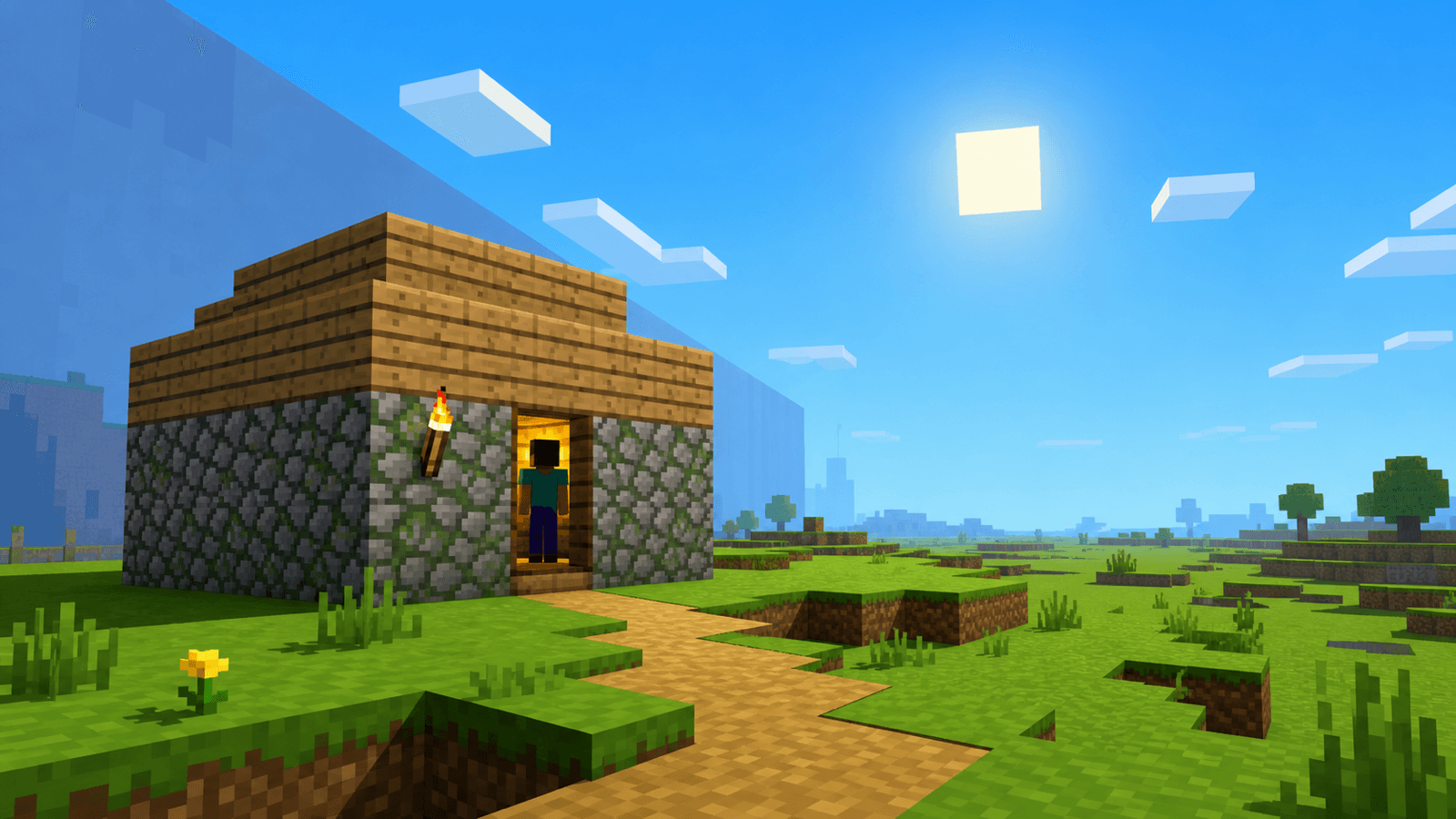
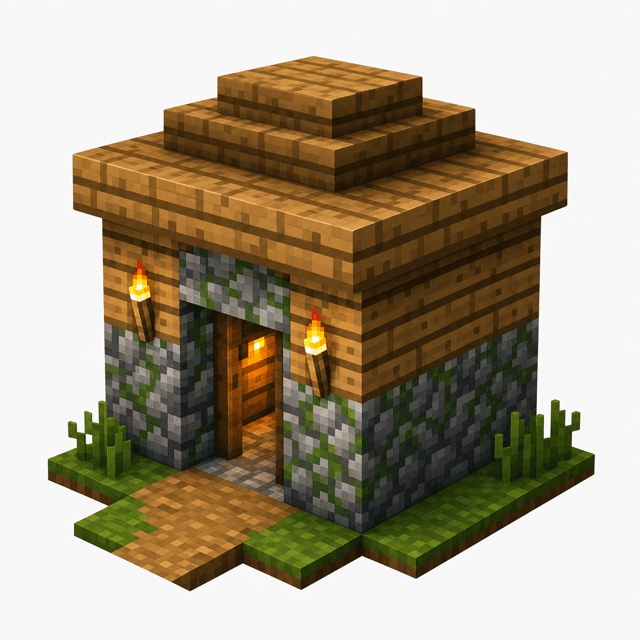
The starting house was a removed Java Edition Indev structure that generated at the center of a new world and placed the player inside it. Minecraft Wiki documents it as a 7 by 7 by 4 room with a simple exit and interior torches. That sounds modest now, but in early 2010 it was doing something important: it made the first seconds of a world feel staged rather than accidental.
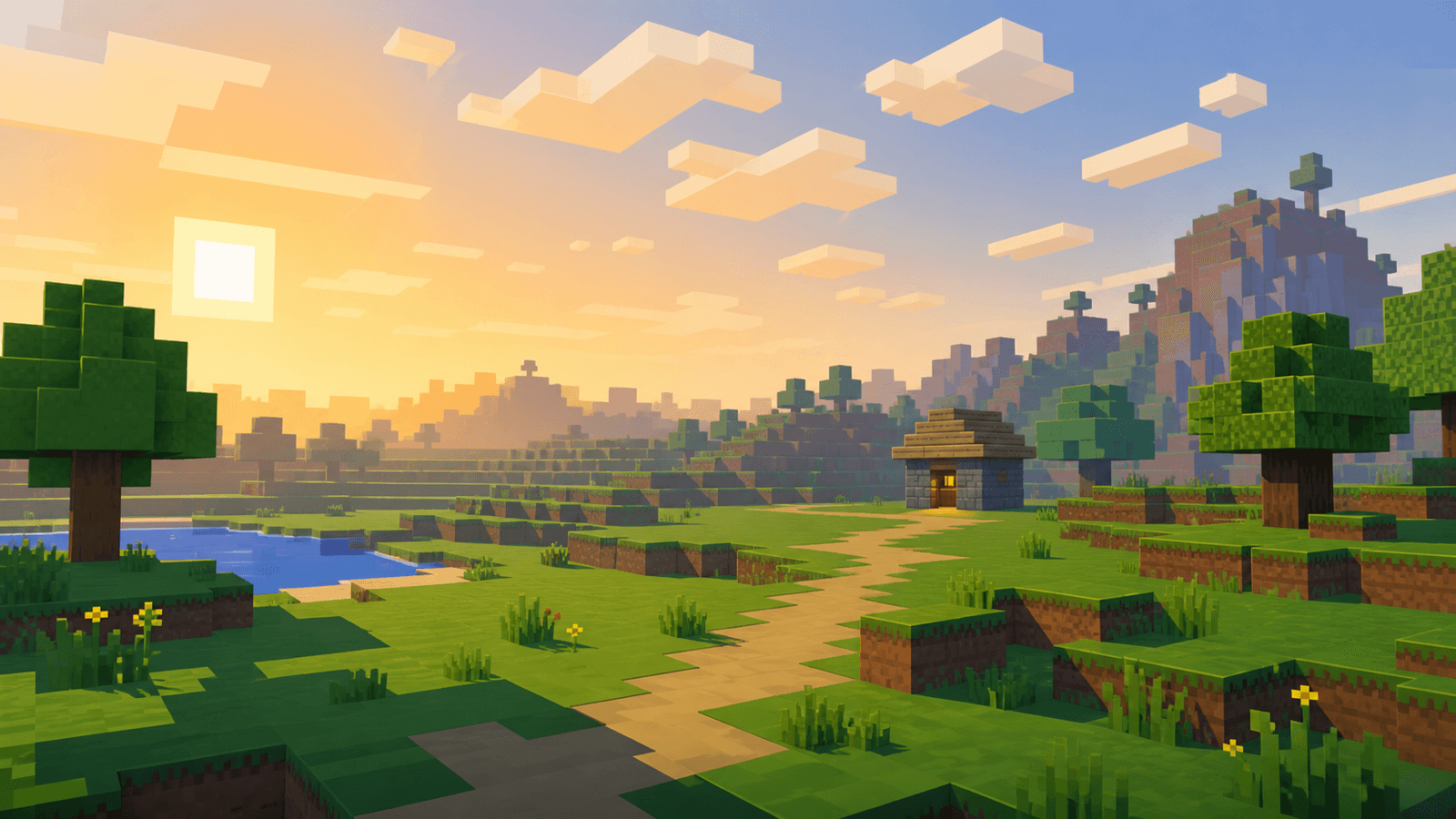
That matters because Indev worlds were not modern infinite survival worlds. They were bounded experiments with map settings, changing rules, and a game still deciding how much help a new player should receive. A little house at spawn answered a design question directly. Before you punched a tree, fought the dark, or chose a direction, the game had already given you a center point.
For vanilla SMP players, this is the useful history. Spawn is never neutral. Even when a server refuses custom items, economy plugins, or teleports, the place where a player arrives still teaches them what the community values. A bare wilderness spawn says one thing. A protected hub says another. An old starting house sits at the root of that same debate.
The chests were testing tools, not a normal survival gift
The earliest starting house versions are easy to misread because their chests were wildly generous. Minecraft Wiki's structure history records versions with stacks of blocks, tools, food, cloth colors, TNT, and other materials that made sense for testing what the game could contain. Later Indev builds removed those chests as survival became the point rather than inventory inspection.
That progression is more important than the loot list. The starting house began as a developer-facing convenience and quickly moved toward a player-facing survival frame. By January 30, 2010, the remaining chests had been removed. In February, the house design shifted away from mossy cobblestone toward a more ordinary stone floor with plank walls and roof. The same idea became less like a debug warehouse and more like a sparse shelter.
Community discussions around Indev worlds still circle that issue. Players who start in early Indev and later convert worlds forward talk about old cloth colors, unobtainable blocks, chest contents, and crashes caused by historical data values. In other words, the starting house is not only nostalgia. It is a reminder that early gifts can follow a world for years.
Infdev removed the house when the world got bigger
The starting house did not last long. The first Infdev build on February 27, 2010 removed it while Minecraft was testing infinite world generation. The same version temporarily stripped out many familiar systems, including caves, ores, trees, mobs, daylight cycle behavior, and the old world boundary, because the development focus had shifted toward making the world expand.
That is the real pivot. A bounded Indev map could justify a fixed center and a known first room. An infinite world made that less natural. Minecraft's survival identity moved toward being dropped into a landscape and making your own shelter, not inheriting one from the generator.
The archived February 14, 2010 Notch post adds a small but telling detail: the starting house had to be made better about where it spawned. Even at that stage, the generated shelter was not simply a cute prop. It had to negotiate terrain, lighting, player safety, and the awkward reality that a guaranteed structure can land badly.
That distinction is where the Indev house still earns attention. It shows Minecraft experimenting with first-night support, then backing away as the world model changed. Modern vanilla SMPs make the same choice intentionally every time they design spawn.
Modern SMPs still rebuild the idea socially
Most vanilla SMPs do not generate an Indev-style house for every player, but many recreate its function through community systems. Spawn towns, welcome boards, beginner roads, public beds, crop farms, and staff-made guides all answer the same question: how does a newcomer become part of the world without being handed the whole game?
The best examples separate orientation from advantage. A spawn road can help players leave safely without giving them diamonds. A public farm can prevent hunger from ruining the first five minutes without replacing mining, farming, or trade. Some long-running communities go further with new-player outposts; the Peaceful Vanilla Club wiki, for example, describes outposts built to help newcomers find basic information and early supplies. That is not the Indev house returning as a feature. It is the same design pressure appearing as community infrastructure.
This is why older Minecraft history belongs in server selection. Removed features reveal choices that servers still have to make. The question is not whether a modern minecraft SMP should copy Indev. The question is whether its spawn design supports the kind of survival it advertises.
What to ask before joining a vanilla SMP
When you compare vanilla SMP options on the homepage server list, use the starting house as a lens for onboarding. You are not looking for the harshest spawn or the fanciest hub. You are looking for a server whose first minutes match its promises.
Those questions are more useful than asking whether a server is "pure" in the abstract. A strict world with no guidance can be frustrating for late joiners. A heavily assisted world can stop feeling like vanilla survival. The best vanilla SMP for you is the one that states its starting conditions plainly.
The Indev starting house mattered because it exposed a design problem Minecraft never fully stopped having. Players need a beginning, and shared worlds need a fair way to welcome them. Modern vanilla Minecraft servers do not need to recreate the old hut, but they do need to be honest about what replaces it.