

26.20 is a release signal, not just a feature list
Minecraft: Bedrock Edition 26.20 was posted to the official Minecraft Feedback changelog on May 5, 2026. That date matters because the queue originally captured it as an upcoming Bedrock release, while the live changelog now makes it a current release. For vanilla SMP players, that change in status is the first practical point: a version can move from "watch this" to "coordinate around this" very quickly.
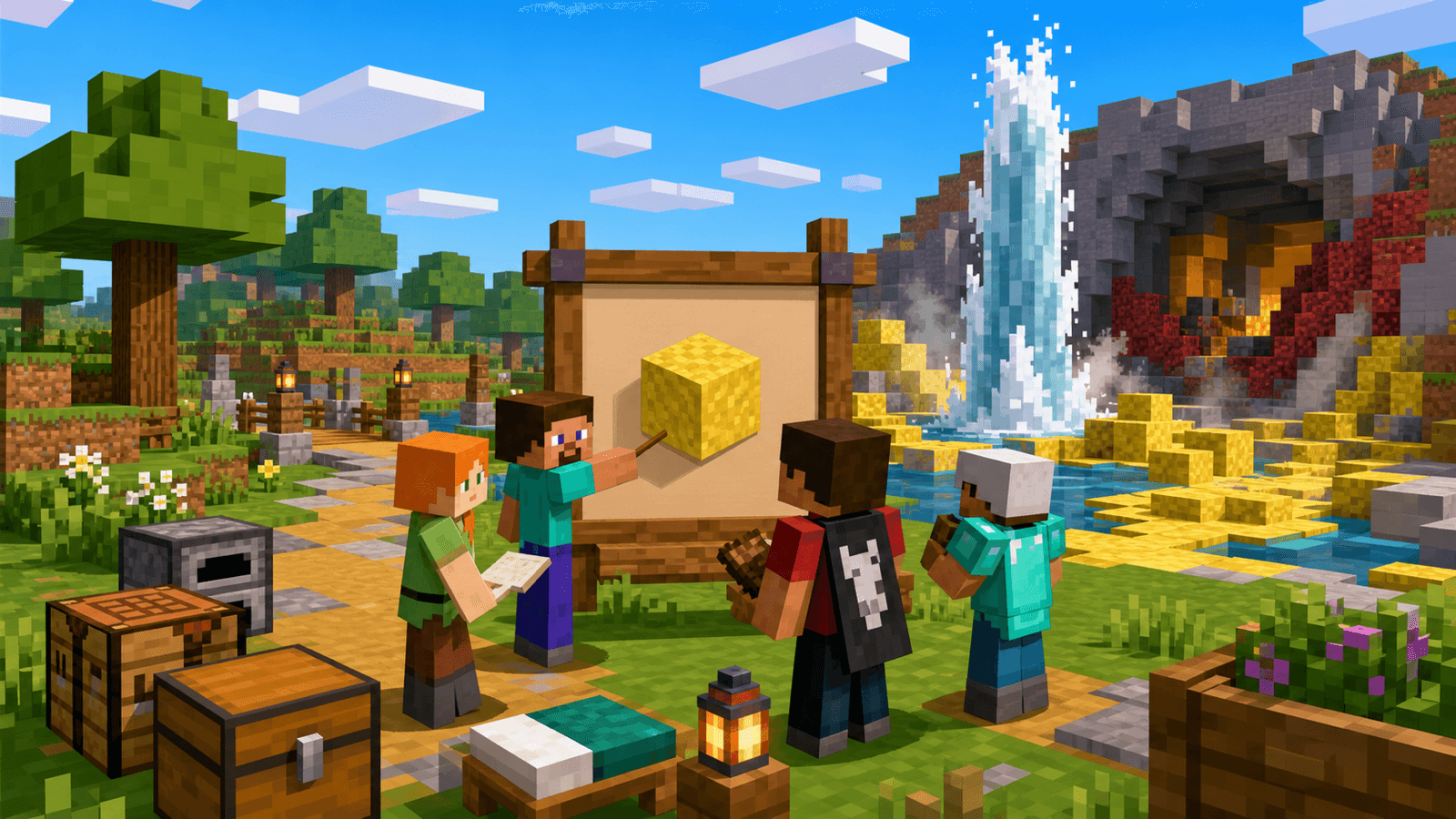
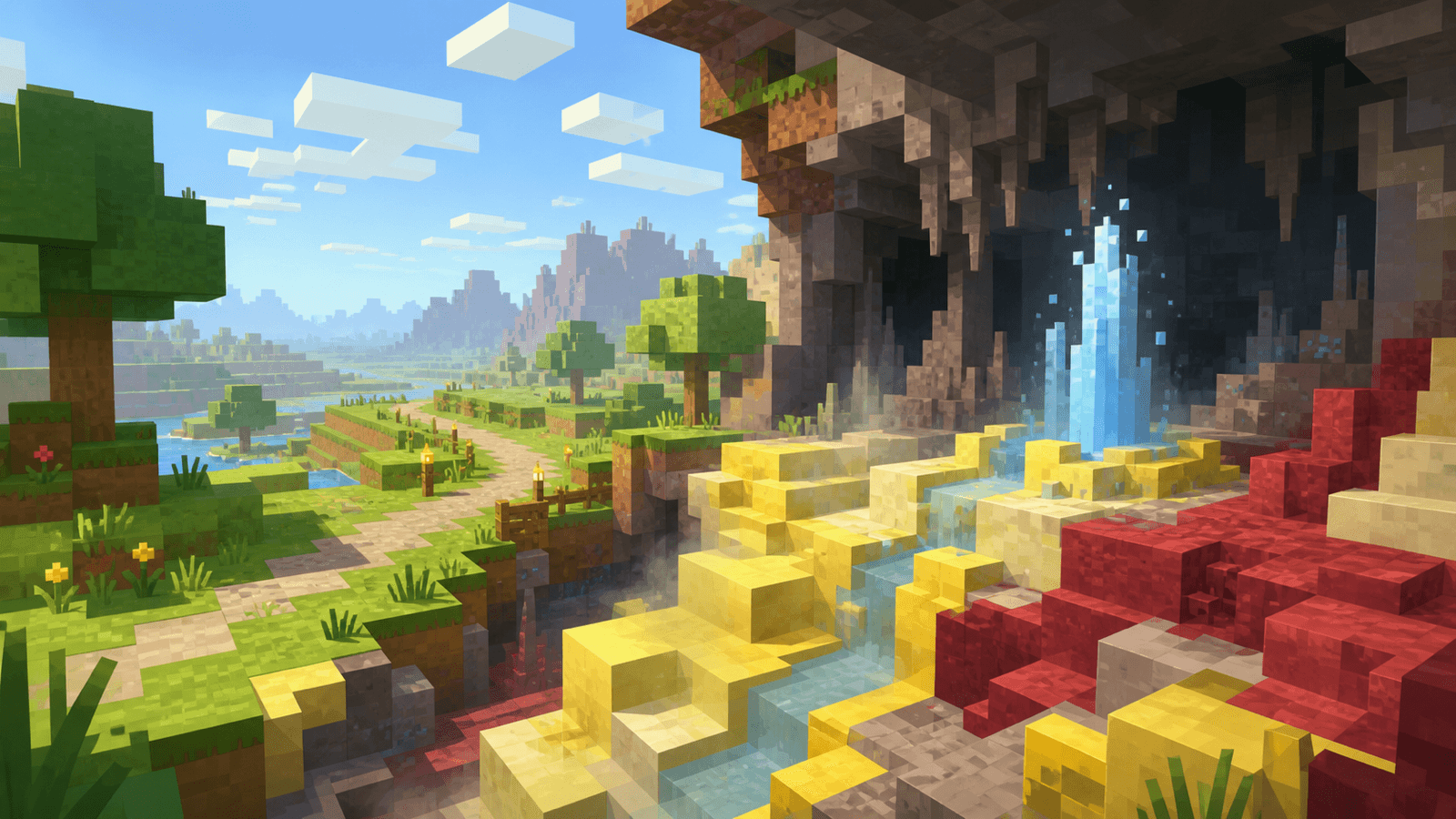
The headline features are a mix of player-facing and testing-facing work. Mojang added closed captions with adjustable sound, position, and duration options. The release also carries Chaos Cubed experimental content into Bedrock's testing path: sulfur cubes, sulfur springs, potent sulfur, sulfur caves, and new sulfur and cinnabar block sets. The earlier Minecraft.net preview framed TNT-fed sulfur cubes and geysers as features that were already in Java snapshots and coming to Bedrock beta and preview.
That combination should shape expectations. Closed captions are a broad accessibility win for everyday play. Chaos Cubed content is more exploratory because Mojang labels parts of it as still in development, including sulfur cube physics. A vanilla SMP that supports Bedrock players should not blur those two categories. Stable release notes, experimental toggles, and preview behavior are different things, and a server that explains the difference saves players from assuming every showcased feature belongs in the same live survival rule set.
The SMP meaning is coordination
The important question is not whether 26.20 is "big enough" for an article. The important question is what it reveals about a shared world. Vanilla SMPs are social systems wrapped around survival mechanics. When a Bedrock release lands, players ask the same practical questions every time: can I connect, is my device updated, did the server update, are experimental features enabled, and is crossplay native or bridged?
That is where 26.20 has real server-selection value. A community that posts a plain update note is easier to trust than one that leaves players to infer everything from version mismatch errors. Good notes do not need to be dramatic. They can say that the world is staying on the current stable build, that Chaos Cubed features are experimental and not enabled, that Bedrock clients may see platform rollout delays, or that bridge support is being checked before staff call the update ready.
This is also why a server list should be read as more than a set of names. When you compare worlds on the vanilla server list, look for communities that explain operations as well as vibes. A server can have a friendly spawn, clean rules, and a nice Discord while still being weak at version communication. Release weeks expose that weakness faster than normal play does.
Bedrock timing is where confusion appears
Bedrock updates have a human timing problem because they move through devices, storefronts, platforms, and sometimes compatibility layers. A r/MinecraftHelp post on release day captured the exact kind of confusion that matters to families and SMP groups: one Xbox had updated to 26.20, while a Switch 2 player still could not find the same update and could not join. The reply suggested that platform availability might simply be lagging by a few hours.
That is not proof of a broken server. It is a normal Bedrock coordination risk. Another r/Minecraft discussion around the 26.20 preview line shows players asking why a 26.20 preview could appear before an earlier Bedrock line felt finished, with replies pointing to the platform certification rhythm. The details vary by release, but the lesson stays stable: Bedrock version numbers can be visible to different players at different points in the rollout.
For Java-centered vanilla SMPs that allow Bedrock players through Geyser or a similar bridge, the issue gets another layer. The local Peaceful Vanilla Club corpus is useful here because it says plainly that Bedrock access through Geyser is imperfect and that new bugs can appear when the server updates versions. That is not a reason to avoid every bridged server. It is a reason to prefer servers that say what they are doing. A clear bridge note is a quality signal, not an apology.
Server owners should separate stable play from testing curiosity
Mojang's 26.20 changelog includes many things a server owner might care about, but they should not all trigger the same operational response. Closed captions affect client accessibility. Realms changes, including Realm Hub and Party support, shape expectations for official hosted play. Technical updates make some behavior and block schemas stricter for version 1.26.20 and newer. Chaos Cubed features invite experimentation, but Mojang is explicit that some parts are still in development.
That split matters on a vanilla SMP. A stable survival community should be careful about promising features just because players saw them in a changelog or official testing article. If experimental toggles are not enabled, say that. If the server is Java-only with Bedrock bridge access, say that the Bedrock changelog is relevant mainly for client compatibility, not for changing Java world mechanics. If the world has addon, pack, or Bedrock-specific creator content, test the stricter schemas before players rely on that content.
For players, the same discipline helps when comparing the best vanilla SMP options. Ask whether the server separates live survival rules from preview curiosity. A careful world can be enthusiastic about new Minecraft features while still protecting the current map from unclear, half-tested expectations.
Use 26.20 as a server filter
The practical read is that Minecraft 26.20 gives vanilla SMP players a useful filter. The strongest servers do not merely react to version updates. They turn updates into readable status. They tell players what changed, what did not change, which platforms may lag, and whether Bedrock support is native, bridged, or temporarily waiting on tooling.
That matters even if you never touch sulfur caves or Party beta features. Most long-term SMP frustration comes from unclear expectations, not from the existence of updates. A player who knows "the server is still testing Bedrock 26.20 support" can wait. A player who only sees a connection error may assume the world is abandoned, misconfigured, or unfriendly to their device.
The blog is useful for reading more update breakdowns, but the selection principle is simple: choose the vanilla SMP that makes release weeks boring in the good way. Calm, specific communication is part of server quality. If a community handles Minecraft 26.20 with clear notes about rollout, access, and experimental features, it is more likely to handle the next larger release with the same care.